
- Projekt LIFE ARTEMIS
- Slovenski gozdovi
- Tujerodne vrste
- Vplivi
- Vplivi na biotsko raznovrstnost
- Vplivi na gospodarstvo
- Vplivi na zdravje ljudi
- Ukrepi
- Pretekli projekti
Projekt LIFE ARTEMIS – Osveščanje, usposabljanje
in ukrepanje za invazivne tujerodne vrste v gozdu
Home > Alien species in Slovenia > Alien fungi > Ash dieback

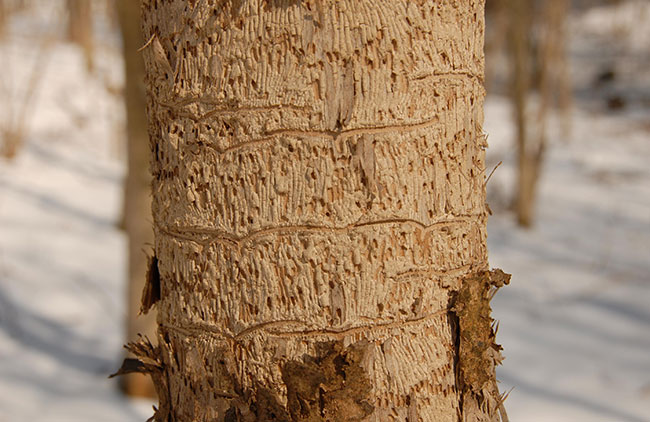
NATIVE RANGE: East Asia (China, Korea, Japan)
FIRST FINDING IN SLOVENIA: 2006
PATHWAYS: transported by people with tree cutting tools. Secondary spreading by wind and insects
POSSIBLE TO FIND: year-round
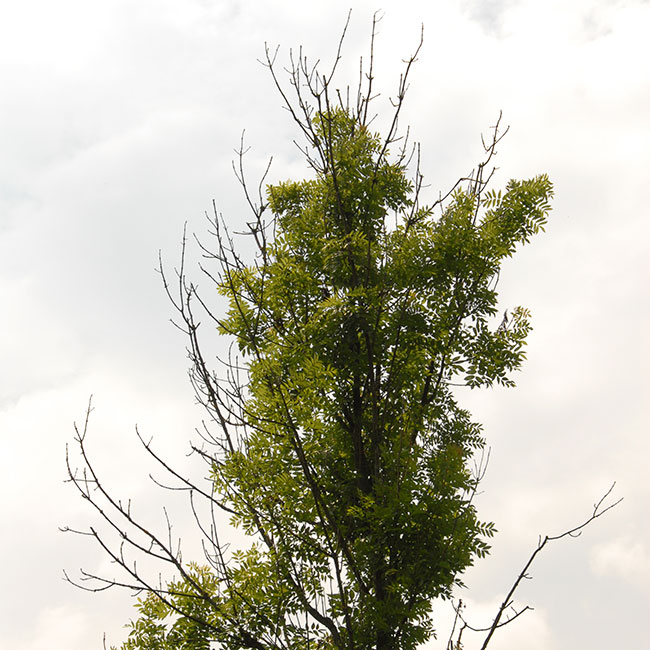
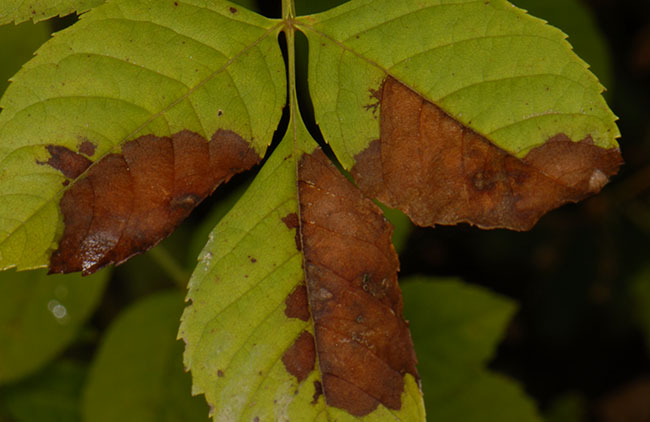
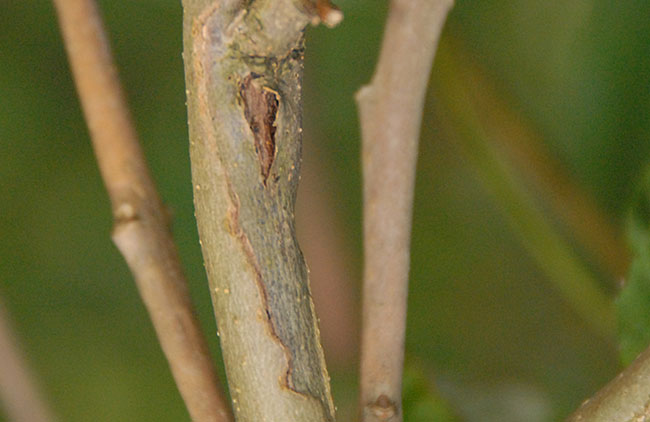
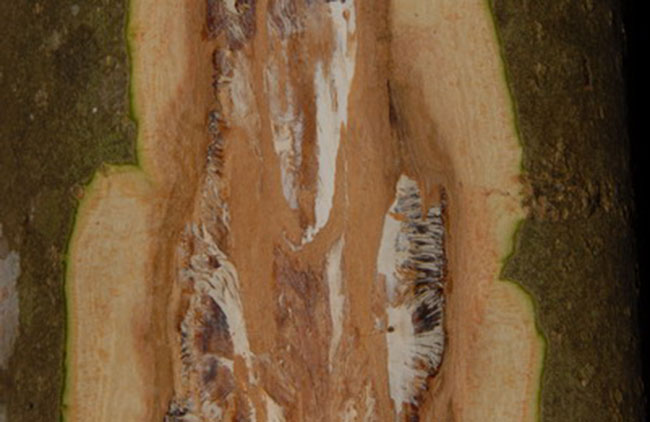
DESCRIPTION: Symptoms of this diseases include brown lesions on leaves and leaf-petioles, which are the entry points of the fungi. Later, the fungus infects bark and causes lesions and dieback of shoots. Oval lesions ap-pear on the bark of the trunk, which quickly increase in size. Sometimes the tree does not die back but a canker is formed at the wound. Trees are often heavily infected and many branches die back but, at the same time, the tree also forms new shoots.
HOST PLANTS: Common ash (Fraxinus excelsior) and narrow-leaved ash (F. angustifolia) are particularly susceptible, while manna ash (F. ornus) is unaffected.
STATUS: Widespread throughout Europe.
SIMILAR SPECIES: Dieback of ash trees may also be caused by honey fungi (Armillaria spp.), which cause armillaria root disease. Weakened and dying trees are of-ten attacked by ash bark beetles, for example Leperesinus fraxini.
SOURCE: Field Guide to Invasive Alien Species in European Forests